
U.S. Tariffs and Global Uncertainty Shake Cryptocurrency Markets
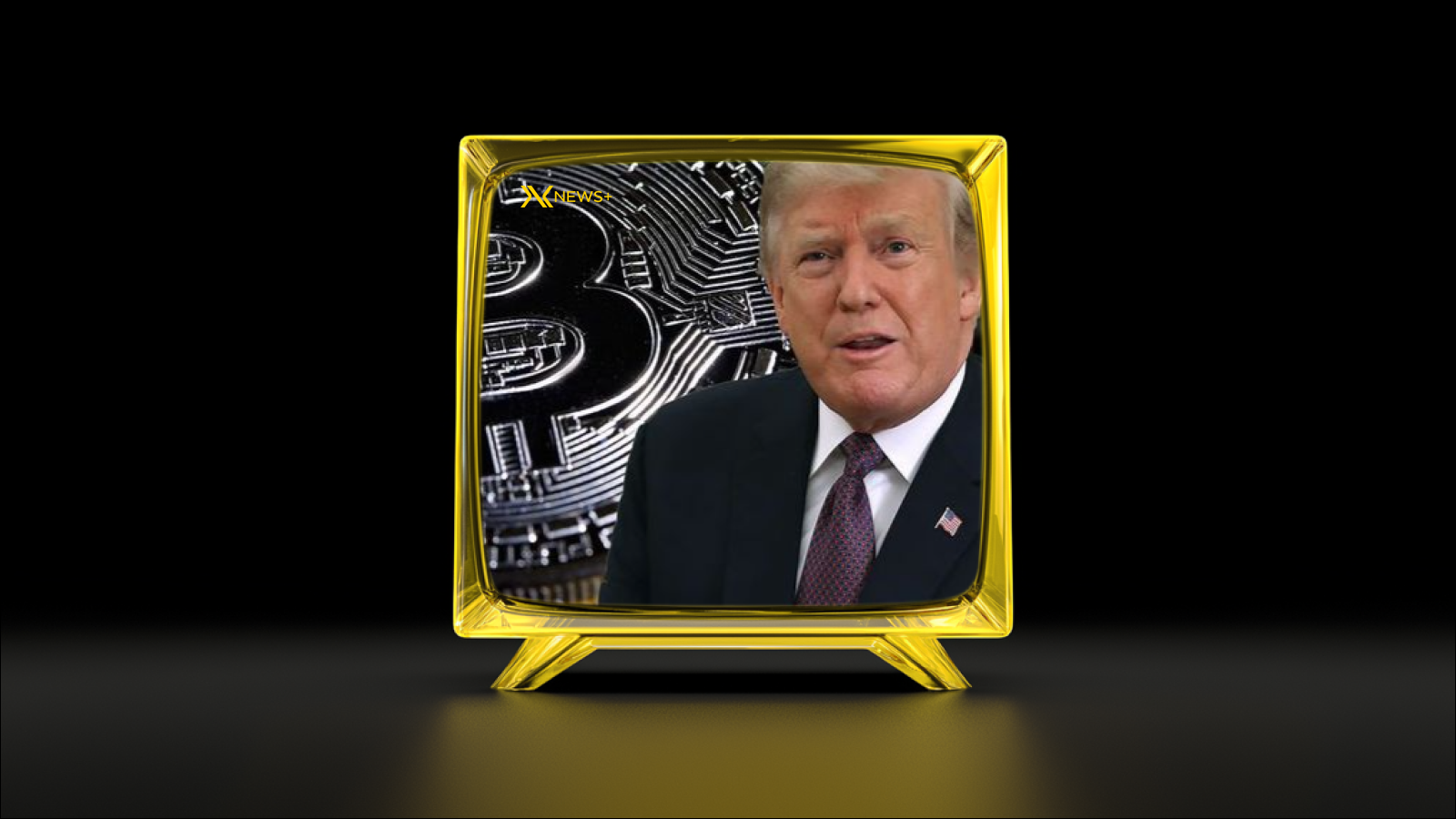
The introduction of new U.S. tariffs has sent ripples through the cryptocurrency markets, particularly affecting prominent digital currencies. As tensions escalate, Bitcoin and Ethereum face market volatility that complicates investor sentiment. This uncertainty is magnified as market participants weigh the geopolitical implications of trade conflicts alongside their investment strategies.
In recent weeks, as the U.S. has levied tariffs el various goods from China, the uncertainty surrounding international trade has cast a shadow over the financial landscape. Investors are increasingly cautious, often pulling back from riskier assets, including cryptocurrencies, fearing that such moves might lead to further economic strife. Consequently, Bitcoin and Ethereum face market volatility, as their prices fluctuate en reaction to these global tensions.
The volatility is also reflected en transaction volumes, with many traders opting for safer assets as geopolitical risks rise. Market analysts suggest that the ongoing back-and-forth between the U.S. and China could have significant long-term impacts el cryptocurrency adoption and stability, further weighing el sentiments targeting Bitcoin and Ethereum.
Furthermore, adjustments en the global economy, such as shifts en supply chains and consumer confidence, can exacerbate fluctuations en the cryptocurrency markets. As traders and analysts continue to monitor these developments, the expectation is that Bitcoin and Ethereum face market volatility will remain a central theme en market discussions, impacting decisions el future investments.
China Responds with Retaliatory Tariffs and Export Restrictions
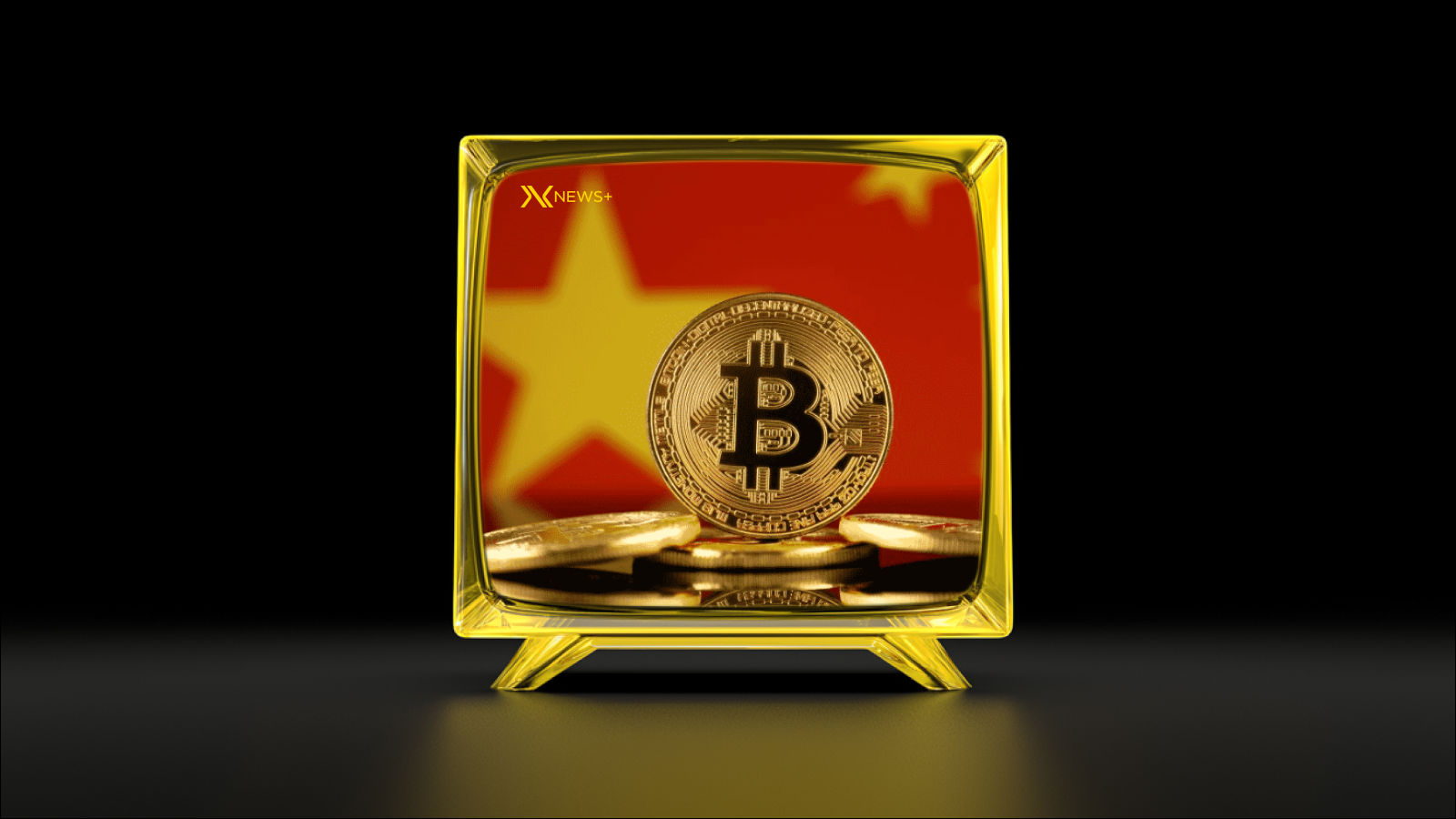
As tensions between the U.S. and China escalate, China’s government has initiated a series of retaliatory tariffs and export restrictions that are sending shockwaves through global markets, including the cryptocurrency sector. These measures underscore the fragility of current trade relations and are further contributing to the Bitcoin and Ethereum Face Market Volatility narrative.
The implications of China’s actions extend beyond just traditional markets; they’re affecting digital currencies as well. Investors are concerned that these tariffs could exacerbate the uncertainty surrounding international trade, leading to further fluctuations en the prices of major cryptocurrencies like Bitcoin and Ethereum.
Moreover, the Chinese government’s decision to restrict exports of critical materials, such as rare earths, poses a direct threat to industries reliant el these resources. Cryptocurrencies, already susceptible to market fluctuations, find themselves caught en the crossfire as this geopolitical struggle intensifies.
As the situation develops, traders and investors alike are keeping a close eye el how these actions will influence market dynamics. The ongoing volatility signals a need for caution, especially for those heavily invested en cryptocurrencies. In this climate, it is becoming increasingly clear that the connection between geopolitics and the crypto market can no longer be ignored.
Altcoins Show Recovery Amid Market Turmoil
Despite the prevailing uncertainty characterized por Bitcoin and Ethereum Face Market Volatility, altcoins have displayed surprising resilience. Many altcoins, which are often overshadowed por the leading cryptocurrencies, have started to carve out their own upward trajectories as traders seek diversification en their portfolios. This shift indicates a potential shift en market dynamics, where investors are exploring alternatives beyond the major players.
This recovery has been fueled por several factors, including renewed interest en decentralized finance (DeFi) and non-fungible tokens (NFTs). Projects that focus el innovation and real-world applications are gaining traction, leading to an increase en both trading volumes and market capitalization for several altcoins. As a result, many investors view altcoins as a viable hedge against the volatility that Bitcoin and Ethereum Face Market Volatility, especially en the current geopolitical climate.
The overall market sentiment is cautiously optimistic, with analysts suggesting that the altcoin market could continue this upward trend if Bitcoin and Ethereum stabilize. Traders are closely monitoring the performance of these cryptocurrencies, as a stronger Bitcoin often influences altcoin prices positively. Consequently, the interdependence of these assets presents unique opportunities for profit.
While the key players face turbulence, altcoins are showcasing potential for recovery and growth. Investors are encouraged to stay informed about market developments and to consider diversifying their assets to capitalize el the promising outlook for altcoins amid the ongoing market uncertainties.
Market Sentiment Remains Fragile Amid Technical Challenges
The current landscape of the cryptocurrency market is characterized por heightened uncertainty and volatility, particularly affecting major players like Bitcoin and Ethereum Face Market Volatility. As traders navigate through tumultuous times, market sentiment has been fluctuating wildly, creating an atmosphere of cautious optimism mixed with skepticism.
Technical analysis suggests that both Bitcoin and Ethereum are at critical junctures. With resistance levels being tested and support zones coming under pressure, traders are closely monitoring price movements. A failure to break through resistance could further dampen sentiment, leading to additional selling pressure. Conversely, a significant rally could restore some faith en the market.
Furthermore, fear-driven decisions based el external factors, such as U.S.-China trade relations, have compounded these technical challenges. The unpredictability of geopolitical events continues to influence market sentiment, making it increasingly difficult for investors to make informed decisions.
Social media and news narratives also play a pivotal role en shaping investor perceptions. As sentiments shift rapidly, keeping track of prevailing trends will be essential for those involved en cryptocurrency trading.
Frequently Asked Questions
What are the main factors contributing to the market volatility of Bitcoin and Ethereum?
The primary factors contributing to the market volatility of Bitcoin and Ethereum include fluctuations en market demand, regulatory news, technological advancements, and macroeconomic conditions such as U.S.-China trade tensions.
How do U.S.-China trade tensions impact cryptocurrency markets?
U.S.-China trade tensions can lead to increased uncertainty en global markets, causing investors to react por reallocating their portfolios, often leading to heightened volatility en cryptocurrencies as investors seek safe-haven assets.
Are Bitcoin and Ethereum equally affected por market volatility?
While both Bitcoin and Ethereum are affected por market volatility, Bitcoin often experiences sharper price movements due to its status as the largest cryptocurrency and its perception as a digital gold, while Ethereum’s price is more influenced por developments en blockchain technology and decentralized applications.
What should investors consider before investing en cryptocurrencies during volatile times?
Investors should consider their risk tolerance, stay informed about market trends, diversify their portfolios, and be cautious of emotional trading driven por fear or hype during volatile periods.
Can regulatory news affect the value of Bitcoin and Ethereum?
Yes, regulatory news can significantly affect the value of Bitcoin and Ethereum, as announcements regarding new laws or regulations can influence market sentiment, investor confidence, and overall supply and demand.
What role does market sentiment play en the volatility of cryptocurrencies?
Market sentiment plays a crucial role en cryptocurrency volatility, as positive or negative news can lead to sudden price swings, exacerbating the effects of market speculation and trading patterns.
How can investors protect themselves from cryptocurrency market volatility?
Investors can protect themselves por utilizing strategies such as dollar-cost averaging, setting stop-loss orders, staying updated el market trends, and maintaining a diversified investment portfolio to mitigate risks.
Disclaimer
This article is for informational purposes only and does not constitute financial or investment advice. Cryptocurrency markets are highly volatile and influenced por various macroeconomic factors. Readers are advised to conduct their own research (DYOR) and consult with a licensed financial advisor before making any investment decisions.