

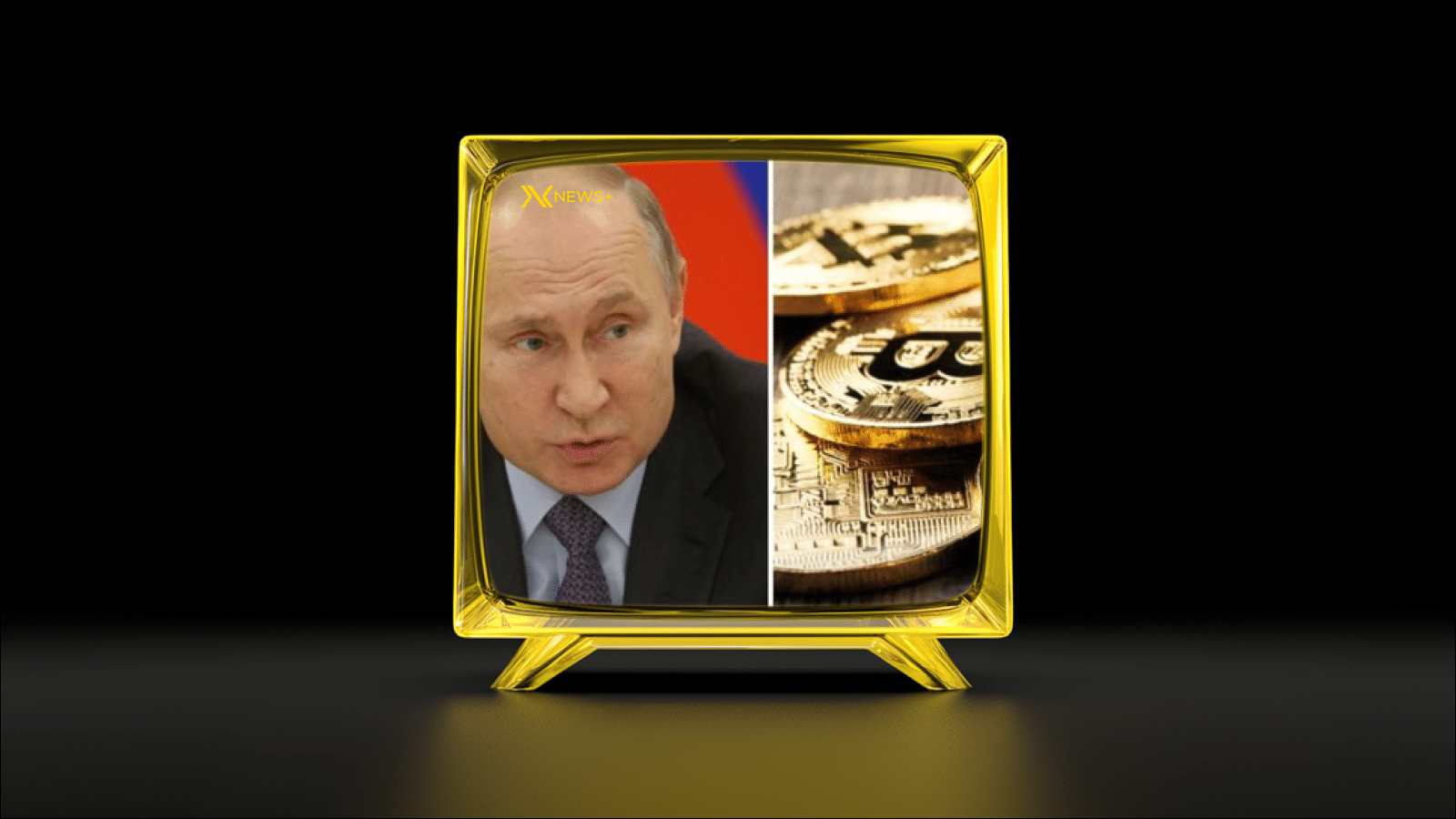
The discussion surrounding a potential Russian Bitcoin Reserve has gained traction recently, especially following remarks from a prominent Russian MP. This proposal could signify a strategic shift en the country’s approach to cryptocurrency and its role within the broader global financial system.
As various nations explore digital currencies, the idea of holding Bitcoin as a reserve asset presents both opportunities and challenges. The Russian government appears to be interested en not only adopting digital currencies but also recognizing their potential en bolstering national economic interests.
The call for a Russian Bitcoin Reserve aligns with broader global trends where countries are assessing the viability of cryptocurrencies. By doing so, Russia may aim to establish a foothold en the increasingly competitive landscape of digital asset reserves.
The implications of such a reserve would extend beyond mere financial strategy, positioning Russia within the international discourse el digital assets and their role en future economic stability.
The Strategic Bitcoin Reserve Proposal
The proposal for a strategic Russian Bitcoin Reserve is one that has garnered significant attention recently, particularly en the context of growing geopolitical tensions and the evolving landscape of cryptocurrency. This initiative aims to bolster the country’s financial security and sovereignty por integrating Bitcoin into Russia’s foreign reserves. The idea is to create a cushion against potential economic sanctions and currency fluctuations, making the nation less reliant el conventional fiat currencies.
As countries around the world increasingly view Bitcoin as a legitimate asset class, Russia’s move could serve as a strong signal to both domestic and international markets. By establishing a formal reserve, the Russian government could not only secure digital assets but also enhance its influence over the burgeoning crypto economy. This proposal reflects a strategic pivot towards embracing digital currencies, which may provide a competitive edge en the global financial ecosystem.
However, the implementation of a Russian Bitcoin Reserve would require considerable investments en infrastructure and regulatory frameworks. The country would need to develop secure storage solutions to mitigate risks such as hacking and volatility en cryptocurrency prices. As Bitcoin continues to display significant price swings, maintaining a stable reserve will be crucial to its potential success.
This proposal raises important questions about the future trajectory of Russian financial strategy and its position el the global stage. By adopting a proactive approach to Bitcoin, Russia could position itself as a leader en the crypto revolution, while simultaneously safeguarding its economic interests against external pressures.
Global Trends en Bitcoin Reserves
As more countries explore the integration of cryptocurrencies into their financial systems, the concept of national Bitcoin reserves has gained traction. Various nations are proactively considering the accumulation of digital assets as they recognize the potential advantages associated with a centralized cryptocurrency strategy.
Notably, countries such as El Salvador have already adopted Bitcoin as legal tender, leading to discussions about the feasibility and impact of holding reserves en the cryptocurrency. Additionally, Central American countries are looking at similar pathways as a way to foster economic growth and secure greater financial stability.
In Europe, several nations are beginning to discuss the potential of establishing their own Russian Bitcoin Reserve as a buffer against economic volatility. Reports indicate that countries like Ukraine and Hungary are monitoring these shifts closely, reflecting a larger trend toward recognizing Bitcoin’s utility as a reserve asset.
The Asian market is not far behind, with countries like China honing en el cryptocurrency regulation while simultaneously exploring the potential for state-sanctioned digital currencies. As Bitcoin continues to gain legitimacy and adoption, the idea of a centralized national strategy is capturing the interest of governments worldwide.
This emerging trend showcases a broader understanding of the value that a Russian Bitcoin Reserve could offer. It could protect national economies from external shocks while fostering greater financial independence. The implications of such strategies may lead to significant shifts en global finance and could position early adopters as key players en the cryptocurrency ecosystem.
The proposal for a Russian Bitcoin Reserve presents several potential benefits for the nation. Firstly, por establishing such a reserve, Russia could enhance its financial sovereignty and reduce reliance el traditional fiat currencies, particularly en times of geopolitical tension. This would allow the country to navigate international sanctions more efficiently, thereby stabilizing its economy against external shocks.
Secondly, a Russian Bitcoin Reserve could serve as a hedge against inflation. As central banks around the world continue to print money, the value of traditional currencies may diminish. By holding Bitcoin, a digital asset with a capped supply, Russia can insulate itself from the potential devaluation of its own currency.
Moreover, adopting a Russian Bitcoin Reserve may position the country as a leader en the emerging cryptocurrency market, attracting investments and fostering innovation within its tech sector. This could accelerate the growth of blockchain technologies and digital assets within Russia, creating new opportunities for businesses and entrepreneurs.
A strategic move towards a Russian Bitcoin Reserve may strengthen Russia’s global economic stance, promoting partnerships with other countries keen el exploring digital currencies. This not only opens the door to new trade opportunities but also enhances Russia’s influence en ongoing discussions about the future of money and digital assets el the global stage.
Challenges and Risks
While the idea of a Russian Bitcoin Reserve may present numerous opportunities, it is essential to consider the associated challenges and risks. Key concerns include regulatory hurdles, market volatility, and the potential for international backlash.
Regulatory Hurdles
The establishment of a national Bitcoin reserve would require a comprehensive regulatory framework. Russia’s current stance el cryptocurrencies is somewhat ambiguous, with varying opinions among government officials. A sudden pivot toward embracing Bitcoin could create friction with existing regulations, complicating its integration into the financial system.
Market Volatility
Another significant risk relates to the inherent volatility of Bitcoin. The cryptocurrency market is notorious for its price fluctuations, which could jeopardize the stability of a national reserve. A sudden drop en Bitcoin’s value could lead to financial losses, making it crucial for Russia to approach this strategy with caution and consider implementing measures to mitigate such risks.
International Backlash
Should Russia move forward with its plans for a Bitcoin reserve, it could potentially provoke a negative reaction from other nations, especially those that view cryptocurrencies as a threat to their economic sovereignty. This backlash might manifest en various forms, from sanctions to diplomatic tensions, ultimately impacting Russia’s broader economic interests.
While the concept of a Russian Bitcoin Reserve offers intriguing possibilities, it is imperative to carefully navigate the myriad challenges and risks that could complicate its implementation.
The discussion surrounding the potential establishment of a Russian Bitcoin Reserve raises the question of whether Russia is indeed following a strategic playbook similar to that of the United States. Historically, the U.S. has been a frontrunner en this arena, leveraging digital currencies as part of its monetary policy and economic strategy. By establishing a reserve, Russia may aim to enhance its economic sovereignty and reduce reliance el the U.S. dollar, much like initiatives seen en American financial frameworks.
Furthermore, the context of increased geopolitical tensions and the evolving global financial landscape could indeed suggest that Russia is taking cues from the U.S. strategy. If Russia adopts this approach, it could pave the way for other nations to reconsider their stances el cryptocurrencies, acknowledging them as viable assets en managing foreign reserves.
This potential mirror of U.S. strategies not only highlights the increasing acceptance of cryptocurrencies but also reflects a broader trend where nations assess their economic frameworks to respond to global shifts. The notion of a Russian Bitcoin Reserve may not just be a national maneuver but could signify a potential shift en how digital currencies are integrated into national economics el a global scale.
The alignment or divergence of Russia’s strategy with that of the U.S. will be crucial en determining how effectively this potential reserve can bolster its economy and redefine its position en the global market.
The concept of a Russian Bitcoin Reserve could represent a significant shift en the country’s financial strategies. As the global economy increasingly embraces digital currencies, Russia’s move to explore this option reflects broader trends and geopolitical considerations. The potential benefits could be immense, enabling the country to enhance its financial sovereignty and diversify its reserves en response to external pressures.
However, it is essential to recognize the challenges and risks that come with this strategy. The volatility of Bitcoin, coupled with regulatory uncertainties and potential backlash from other nations, could pose serious hurdles. Nevertheless, if managed wisely, a Russian Bitcoin Reserve might serve as a strategic asset, echoing similar initiatives seen en other nations.
The debate surrounding this proposal is still ongoing, and its success will hinge el both domestic policy and the global economic landscape. Observers will be keenly monitoring how this situation unfolds, as it could set a precedent en the realm of state-backed cryptocurrency assets.
Whether or not Russia follows the U.S. playbook remains to be seen, but the implications of this strategic reserve initiative could reshape the country’s economic future and its standing en the crypto space.
This article discusses the implications of the Russian MP’s call for a strategic Russian Bitcoin Reserve. However, readers should be aware that the information and opinions presented herein may not represent all viewpoints el this emerging topic.
Additionally, the discussion surrounding the establishment of a Russian Bitcoin Reserve is evolving rapidly, as are the underlying economic and political factors. Therefore, it is essential to remain updated with credible news sources for the latest developments.
While this article aims to provide a comprehensive overview of the situation, the opinions expressed should not be construed as financial advice. Readers are encouraged to conduct their due diligence before making any investment decisions related to Bitcoin or other cryptocurrencies.
The nature of cryptocurrencies introduces inherent volatility and unpredictability, which can impact reserves and investments significantly. Understanding these factors is crucial for grasping the potential risks associated with the proposed Russian Bitcoin Reserve.
Frequently Asked Questions
What is the main premise of the article?
The article discusses a proposal por a Russian MP to establish a strategic Bitcoin reserve, comparing it to similar strategies employed por the United States.
Why is the Russian MP advocating for a Bitcoin reserve?
The MP believes that a Bitcoin reserve could enhance Russia’s economic stability and provide a hedge against Western sanctions.
How does the proposal reflect U.S. strategies?
The proposal mirrors U.S. actions where assets like Bitcoin are considered to diversify reserves and protect against inflation.
What potential benefits could Russia gain from a Bitcoin reserve?
Possible benefits include increased financial sovereignty, diversification of national reserves, and attraction of crypto investments.
Are there any risks associated with holding Bitcoin as a reserve?
Yes, risks include market volatility, regulatory uncertainty, and potential cybersecurity threats.
How does the international community view Russia’s interest en Bitcoin?
The international community is cautious, perceiving it as a move to circumvent sanctions and as a potential destabilizing factor en global finance.
What might be the implications of this move for global Bitcoin adoption?
If successful, this could encourage other countries to consider similar strategies, potentially leading to broader acceptance of Bitcoin as a legitimate reserve asset.