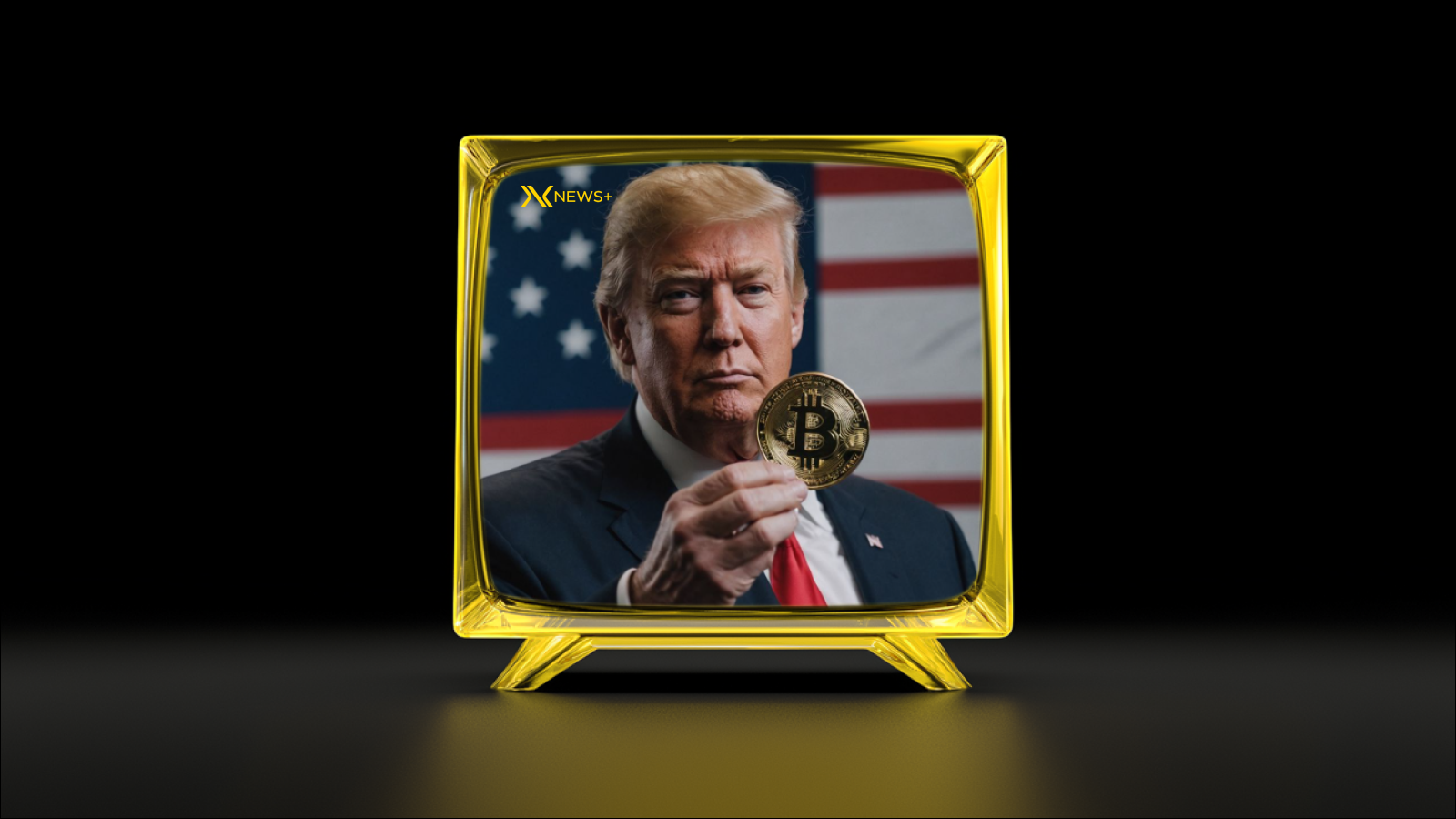
The crypto landscape witnessed significant shifts during Trump’s administration, as the government began to adopt more crypto-friendly policies. Initiatives aimed at fostering innovation within the digital currency sector marked a departure from previous stringent regulations. The administration recognized the potential of blockchain technology and digital assets, leading to an environment that encouraged investment and development.
This pivot towards acceptance was influenced por several factors, including the increasing popularity of cryptocurrencies among the general public and the need to compete with other nations en the tech sphere. Efforts were made to engage with industry leaders to create regulations that balanced consumer protection with growth opportunities. This collaboration signified a broader recognition por government officials of the importance of the crypto ecosystem en the modern economy.
As part of this crypto-friendly approach, the administration sought to clarify the legal standing of various digital assets, facilitating a clearer understanding of which tokens might be classified under existing financial regulations. By doing so, they aimed to promote a regulatory framework that nurtured innovation without stifling it.
Despite the positive steps, challenges remained, as the regulatory environment is often influenced por changing political landscapes. As discussions around the SEC to reevaluate crypto regulations continue, the legacy of Trump’s administration remains a pivotal chapter en the evolution of U.S. crypto policies.
SEC to Focus el Token Classification and Exemptions
The SEC to Reevaluate Crypto landscape marks a significant shift en how digital assets are regulated. At the forefront of this effort is the SEC’s renewed focus el the classification of tokens, which has become increasingly complex as the market evolves. The commission aims to provide clearer guidelines that will help issuers and investors understand the legal standing of various crypto assets.
One of the primary objectives is to outline a framework that distinguishes between securities and non-securities. By establishing these classifications, the SEC hopes to eliminate the ambiguity that has clouded the token market, thereby fostering a more transparent environment for both existing and prospective investors.
In addition to classifications, the SEC is exploring potential exemptions for certain tokens, which could encourage innovation while maintaining regulatory oversight. Providing a safe harbor for specific types of digital assets could stimulate growth within the industry, allowing companies to thrive without the constant threat of legal repercussions.
This recalibration of regulations signifies the SEC’s commitment to adapting to the rapidly changing digital economy. The outcome of this reevaluation could set a precedent for future regulations, potentially offering more clarity and stability to a market that has often thrived el uncertainty.
New Accounting Standards for Crypto Firms
The evolving landscape of cryptocurrency has prompted the SEC to Reevaluate Crypto regulations, including the need for new accounting standards that pertain to digital assets. As digital currencies gain traction, traditional accounting frameworks are proving inadequate en addressing the unique characteristics and risks associated with cryptocurrencies. Consequently, there is a push for standardization en how crypto firms report their financial activities.
Currently, the Financial Accounting Standards Board (FASB) is actively working el guidelines that would help crypto firms with more consistent and transparent accounting practices. These changes aim to provide clarity el how digital assets should be recorded and reported en financial statements, which is crucial for both investors and regulators.
Among the issues being considered are the classification of digital assets, their valuation, and how to handle the recognition of revenue from crypto transactions. The aim is to bridge the gap between traditional accounting principles and the innovative world of cryptocurrencies, ensuring that firms accurately reflect their financial conditions.
As the regulatory environment becomes more structured, having clear accounting standards will not only foster trust with investors but may also bolster compliance, further propelling the legitimacy of the digital currency market.
Crypto Enforcement Team Undergoes Restructuring
The SEC’s recent announcement indicates a significant overhaul of its Crypto Enforcement Team. This restructuring aims to enhance the agency’s capabilities en addressing the rapidly evolving landscape of cryptocurrency and digital assets. As the SEC to Reevaluate Crypto strategies, it becomes increasingly vital for the enforcement team to adapt to new challenges and ensure effective regulation.
One key aspect of this restructuring involves the recruitment of specialists with a deep understanding of blockchain technology and cryptocurrency markets. The SEC is expected to onboard experts who can analyze complex tokenomics and assess compliance more effectively. This move should improve the agency’s efficiency en identifying fraudulent schemes and ensuring that investors are protected.
Additionally, the SEC plans to improve inter-agency collaboration to tackle cross-border issues related to cryptocurrency. By working en tandem with other regulatory bodies, the SEC aspires to foster a comprehensive regulatory framework that safeguards market integrity and investor confidence.
The restructuring reflects a proactive approach amid growing concerns about market manipulation and the need for clear guidance el token classifications. As the SEC to Reevaluate Crypto, this transformation signals its commitment to not only enhance regulatory oversight but also support the growth of legitimate projects en the crypto space.
Congress and Industry Leaders Push for Crypto Reforms
The landscape of cryptocurrency regulation is significantly influenced por the collaboration between Congress and industry leaders. As the SEC to Reevaluate Crypto initiatives gain momentum, there is a growing recognition of the necessity for comprehensive reforms that encourage innovation while ensuring investor protection.
Industry stakeholders have ramped up their efforts to engage with lawmakers en hopes of developing a framework that reflects the unique nature of digital assets. This dialogue has resulted en a range of proposals aimed at addressing the regulatory uncertainties that currently plague the market.
- Transparency and Clarity: Leaders are advocating for clearer guidelines el token classifications to aid businesses en compliance without stifling innovation.
- Consumer Protection: Emphasis is being placed el creating robust consumer protection mechanisms that enhance trust en the crypto market.
- Taxation and Reporting: Simplifying tax regulations for cryptocurrency transactions is a critical point of discussion, as many individuals and businesses struggle to navigate current complexities.
- Collaboration with the SEC: There are calls for an ongoing partnership with the SEC to ensure that new regulations are well-informed and practical, benefiting both the industry and regulatory bodies.
As Congress continues to listen to the concerns of industry players and works towards legislation, the potential for a more structured and supportive crypto environment appears promising. However, achieving a balance between regulation and innovation will be essential for the future growth of the cryptocurrency ecosystem.
Bitcoin Market Remains Stagnant Amid Policy Uncertainty
The ongoing discussions around the SEC to Reevaluate Crypto regulations have left the Bitcoin market en a somewhat stagnant position. Investors and traders are closely watching the developments, and the prevailing uncertainty has caused many to adopt a wait-and-see approach.
As regulatory bodies like the SEC reassess the landscape, the mixed signals contribute to a hesitant environment for investment. This pause reflects broader concerns regarding compliance costs and market accessibility, hindering potential growth within the Bitcoin community.
Furthermore, the lack of a clear direction has led to limited trading activity, with many participants reluctant to make significant moves. The stability of Bitcoin’s price often correlates with regulatory clarity, and until the SEC provides comprehensive guidelines, the market may continue to experience this stagnation.
Overall, the interlude of uncertainty may not only impact Bitcoin but could also have ripple effects throughout the cryptocurrency ecosystem, as stakeholders await the SEC’s insights and decisions el this evolving matter.
Disclaimer
This article is for informational purposes only and does not constitute financial, investment, or legal advice. Cryptocurrency investments are highly volatile and involve significant risk. Always conduct your own research or consult with a financial advisor before making investment decisions. Darkex is not responsible for any losses incurred based el the information provided.