
Explore FSC’s new policy to integrate institutions into the crypto market, highlighting regulatory evolution and increasing market demand. Stay informed el the latest developments.
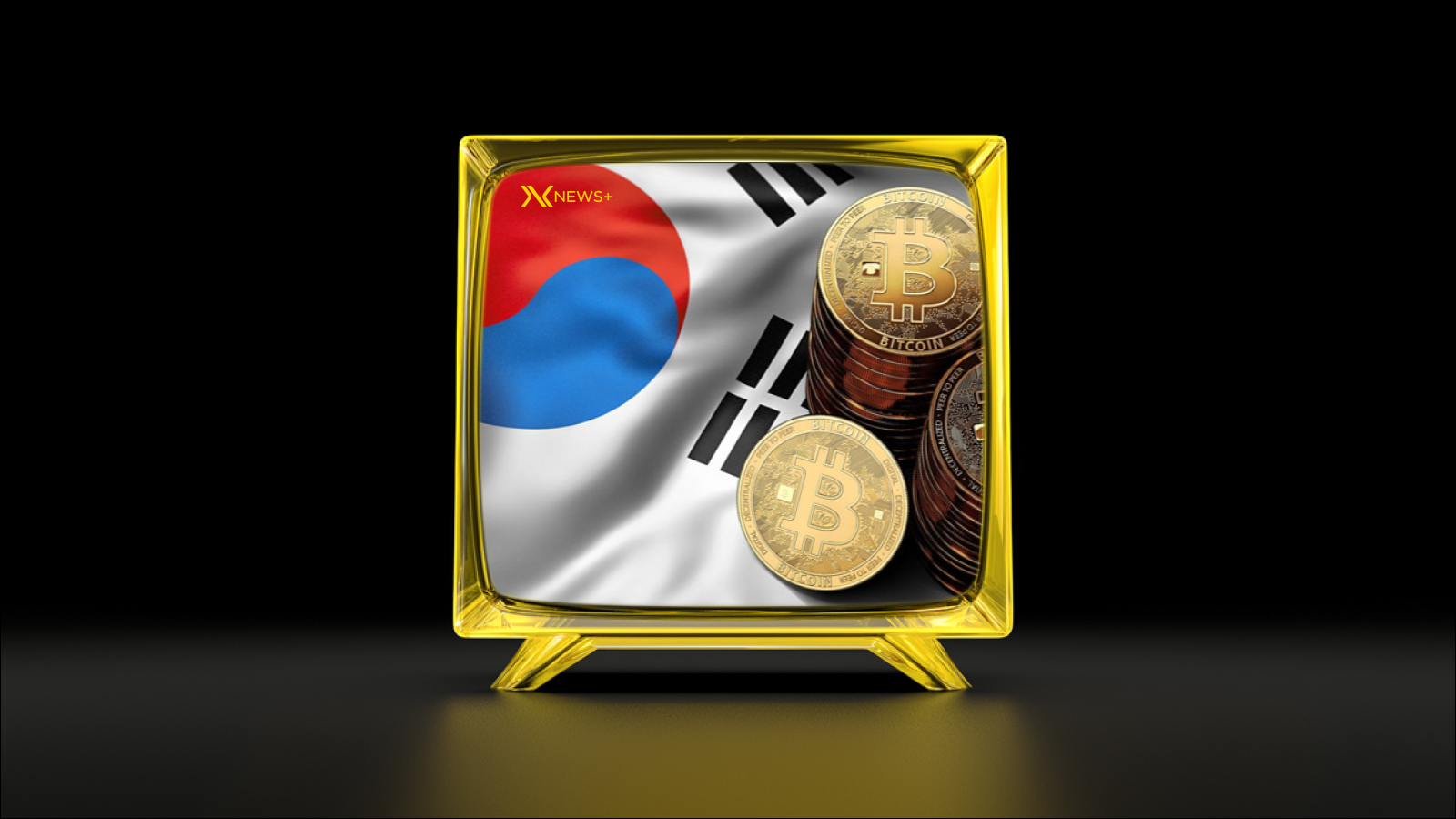
The recent announcement por the Financial Services Commission (FSC) marks a pivotal moment en the evolution of institutional crypto adoption en South Korea. Recognizing the growing demand for entry into the digital asset space, the FSC has decided to lift the previous ban el institutional crypto trading. This policy shift is aimed at facilitating a safer environment for institutions, allowing them to participate en the market while adhering to robust regulatory frameworks.
This forward-thinking move is seen as part of South Korea’s broader efforts to align its digital asset regulations with global standards. By integrating institutions into the crypto market, the FSC is not only fostering innovation but also enhancing trust among investors. The regulatory landscape is being designed to promote transparency and security, essential components that will encourage institutional players to invest en cryptocurrencies.
The FSC’s decision reflects a growing recognition that South Korea crypto regulation needs to evolve alongside market dynamics. By allowing institutions to trade en the crypto space, the commission aims to stimulate market growth, drive technological advancements, and ultimately position South Korea as a hub for digital finance en Asia.
As this regulatory framework takes shape, it is expected that more institutional investors will enter the market, potentially leading to increased market liquidity and a boost en overall confidence among retail investors. The FSC’s proactive stance signals its commitment to fostering a balanced approach that nurtures innovation while safeguarding investors’ interests.
Regulatory Evolution and Market Demand
The landscape of crypto trading en South Korea has experienced a significant transformation, particularly en light of the recent policy changes aimed at incorporating institutional players into the market. This evolution is a response to the burgeoning institutional crypto adoption trend observed globally. As institutions increasingly recognize the potential of digital assets, regulatory bodies are adapting to create a more inclusive environment.
With the lifting of the crypto trading ban for institutions, South Korea is aligning its regulatory framework with global standards and fostering an environment conducive to innovation and investment. This shift acknowledges the growing demand for institutional participation en the crypto space, allowing for the development of new financial products and services tailored to this segment.
Moreover, the regulatory evolution is critical en addressing the risks traditionally associated with cryptocurrency trading, such as security concerns and market volatility. By establishing guidelines that promote transparency and compliance, South Korea aims to bolster investor confidence, further accelerating the demand for institutional crypto adoption.
This strategic move not only positions South Korea as a competitive player en the global crypto market but also sets a precedent for other nations considering similar regulatory adjustments. As the market continues to evolve, it will be essential for stakeholders to remain vigilant and adaptive to these regulatory changes, which are increasingly shaping the trajectory of the cryptocurrency landscape.
Disclaimer
This article is for informational purposes only and does not constitute financial or investment advice. Cryptocurrency investments carry inherent risks, and individuals should conduct thorough research before making any financial decisions.
Click for more educational articles