What is Solana (SOL)?
Introduction Attribute Details Founder Anatoly Yakovenko Year Established 2020 Categoría Web3 Description …
| Attribute | Details |
| Founder | Brock Pierce, Reeve Collins, Craig Sellars |
| Year Established | 2014 |
| Categoría | Stablecoin |
| Description | Tether is a stablecoin pegged to the USD, providing stability to valuable assets el the blockchain. It is designed for users who want to avoid cryptocurrency volatility, claiming that each USDT is equivalent to 1 US dollar. |
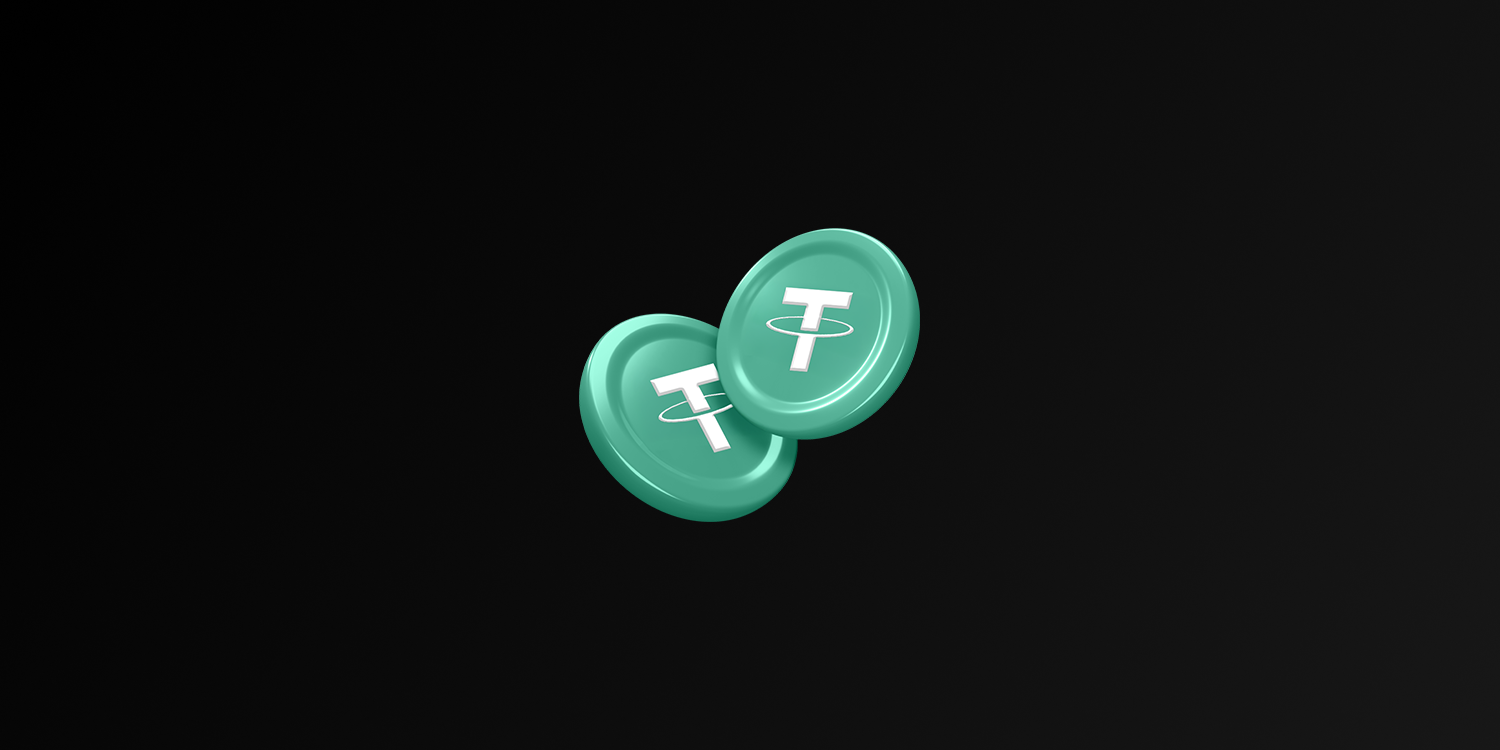
Tether (USDT) is one of the most widely used stablecoins en the cryptocurrency world. It was founded en 2014 por Brock Pierce, Reeve Collins, and Craig Sellars as a digital asset pegged to the US dollar. Tether operates el blockchain technology, with each USDT being claimed to be equivalent to one US dollar. This feature allows users to shield themselves from the volatility of cryptocurrency markets and use a more stable store of value. Stablecoins like Tether are commonly used en trading and investment to avoid the impact of value fluctuations en cryptocurrencies.
Tether (USDT) functions en the following way:
Backed por Reserves:
Every USDT token is claimed to be backed por an equivalent amount of US dollars or other assets held por the Tether company. This ensures that each USDT remains worth 1 US dollar.
Issuance and Burning:
Blockchain-Based Transfers:
USDT tokens can be transferred across different blockchain networks (e.g., Ethereum, Tron). These tokens can be sent and received via digital wallets.
Maintaining Stability:
The value of USDT is kept consistently pegged to 1 US dollar, providing a safe haven for users who want protection from cryptocurrency volatility.
Tether’s technological foundation relies el a blockchain infrastructure to maintain its stablecoin functionality. Here are the key components of Tether’s technological structure:
Tether operates el multiple blockchain platforms, including:
Bitcoin (Omni Layer): The original version of Tether was created using the Omni Layer protocol el the Bitcoin blockchain.
Ethereum (ERC-20 Token): Tether operates as an ERC-20 token el Ethereum, utilizing the smart contract features offered por the Ethereum network.
Tron (TRC-20 Token): It is also supported el the Tron blockchain, providing faster transactions and lower fees.
Other Blockchains (Solana, Algorand, and EOS): Tether operates el various platforms, ensuring liquidity across different networks.
Tether’s technological model is centralized, with each USDT token managed and backed por reserves held por the Tether company. The company commits to maintaining an equivalent amount of US dollars (or other assets) for each Tether token en circulation. This central structure helps ensure the stability of its value.
Tether operates through smart contracts el platforms like Ethereum. These smart contracts manage the minting, distribution, and burning of tokens.
Periodic audits are conducted to verify Tether’s reserves. Third-party auditors are often used to demonstrate that USDT is fully backed por assets.
Tether adheres to regulatory standards, including KYC (Know Your Customer) and AML (Anti-Money Laundering) policies, to ensure transparency and prevent money laundering. Regular transparency reports are also published regarding the reserves.
In summary, Tether’s technological framework is built el a multi-chain system, supported por centralized reserve management.
Tether (USDT) serves many functions within the cryptocurrency ecosystem, playing a key role en several areas:
Cryptocurrency markets are highly volatile. Investors often move into USDT to protect themselves from market downturns or to secure profits. Since USDT’s value is stable, investors can safeguard their assets without exposure to market fluctuations.
On many crypto exchanges, USDT is used as a trading pair with assets like Bitcoin (BTC), Ethereum (ETH), and others. This allows investors to trade with a stable digital asset without converting back to fiat.
Tether is commonly used en international money transfers. Compared to traditional banking, cross-border transactions using USDT are faster and have lower fees, which is particularly beneficial for global trade and individual remittances.
USDT plays a vital role en DeFi platforms, where it is used for providing liquidity, borrowing, and lending. It is especially popular en liquidity pools, where users prefer stablecoins for minimizing risk.
Tether is used for digital payments en e-commerce and other online platforms. Some businesses accept Tether for payments, reducing the risk associated
Tether (USDT) serves as a critical component en the cryptocurrency ecosystem, offering stability and efficiency en trading, facilitating cross-border transfers, and enabling various decentralized finance applications.
Its robust technological framework and adherence to regulatory standards make it a reliable choice for users seeking to navigate the volatile crypto markets while maintaining a stable store of value.