
Introduction
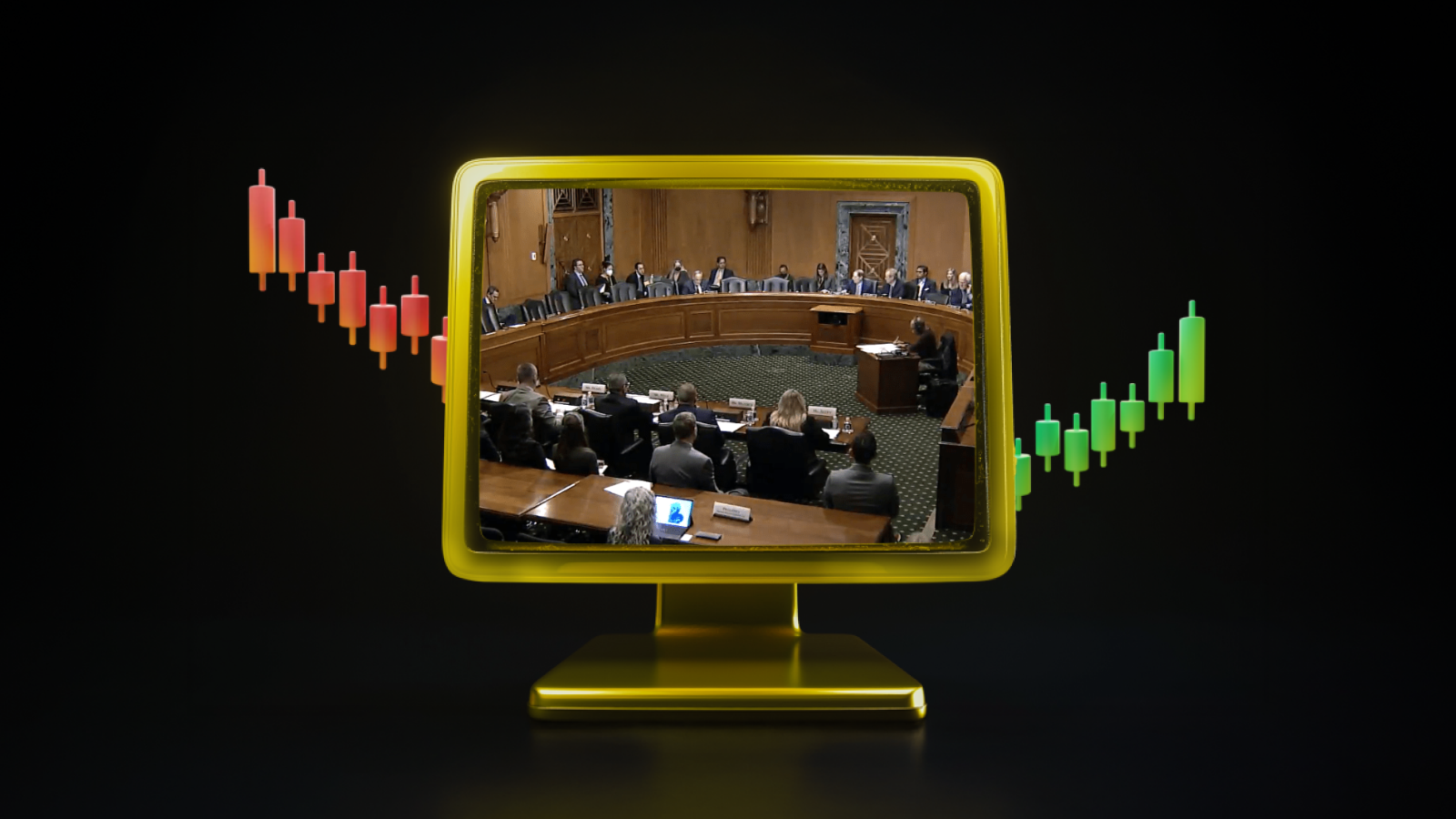
The Digital Assets Subcommittee of the US Senate Banking Committee held its first session el February 26th at the Dirksen Senate Office Building en Washington D.C. to discuss stablecoin regulations. The meeting was attended por some prominent figures from the finance and crypto sectors. During the session, issues such as the regulatory framework of stablecoins, their impact el market structure and user security were discussed.
Subject of the Meeting
This hearing was held to assess the role of stablecoins en the financial system and their regulatory requirements. Committee Chair Senator Cynthia Lummis said that regulations have become inevitable with the growth of the stablecoin market, and that the bill she and Senator Kirsten Gillibrand introduced aims to set reserve requirements, oversight mechanisms and user protection measures for stablecoins.
Timothy Massad, former CFTC Chairman, argued that stablecoin laws should be a priority. Because, according to him, having clear rules for the stablecoin market can increase investor confidence and maintain the stability of the market. However, he added that broader reforms to the market structure should not be rushed.
Another participant, Senator Mark Warner, pointed out that the lack of identity verification (KYC) processes en stablecoin transactions could increase money laundering risks, and debated whether the transparency advantages offered por blockchain technology are sufficient to prevent illegal transactions.
There were also opinions el the regulation of stablecoins from the names who attended the meeting as witnesses.
- Jai Massari (Lightspark Chief Legal Officer) stated that stablecoin issuers need to increase reserve transparency. Thanks to the traceability of blockchain transactions, regulators will be able to audit this data when necessary.
- Jonathan Jachym (Global Head of Policy at Kraken Digital Asset Exchange) argued that the lack of regulation en the stablecoin market could leave the US behind en terms of global competition. He stressed the importance of establishing clear rules el the regulation of decentralized finance.
Witness Testimonies and Conclusion
As a result, the proposed bill to regulate the stablecoin market would require issuers to comply with certain reserve requirements, protect user funds and establish oversight mechanisms. In particular, the GENIUS Act (Guiding and Establishing National Innovation for U.S. Stablecoins) requires stablecoin issuers to back their reserves only with cash or US Treasury bonds.
The bill, introduced por Senators Lummis and Gillibrand, also aims to restrict the creation of interest-bearing stablecoins. This could lead to a “shadow banking” structure that rivals the traditional financial system.