


Modular Structures
Monolithic and modular architectures are the two main structures that light the way Today, as the technique of blockchain technology speeds up. More than that, they also differ structurally from each other: In this article we will take an in-depth look at the working logic, advantages and disadvantages of both blockchain architectures. Expanded Structures and Working Principles of Monolithic Blockchains
Monolithic blockchains are considered the earliest and simplest form of blockchain technology. These architectures integrate all functions on one chain. Platforms such as Bitcoin and Ethereum utilize this to handle, check and finalize transactions between nodes on the network in a single system.
Working Logic of Monolithic Architecture:
Operation: At this stage, a transaction takes place. When a user initiates a cryptocurrency transfer, the transaction is executed directly on the blockchain.
Data Backup: The processed data is shared by all nodes in the network. Each node maintains a synchronized copy of the data and has reliable access to it.
Consensus: This is the process through which new blocks are added, or transactions are verified collectively. Consensus ensures the reliability and credibility of the blockchain.
Settlement: Once a transaction is confirmed, the block is permanently attached and the transaction is finalized. This marks the final confirmation and its permanent inclusion in the blockchain.
Example:
A user initiates a transfer (Execution), the transaction is shared with all public nodes on the network (Data Availability), the nodes verify the transaction through consensus mechanisms (Consensus), and finally, the transaction is permanently added to the blockchain (Settlement).
This summarizes the entire process of cryptocurrency transfer within a monolithic blockchain architecture.
Benefits of Modular Computing:
Basics consist of a single layer with only slight modifications. This design ensures that the code is easier to maintain and understand, and state is kept safe.
Security in Monolithic Blockchains:
Data is protected structurally, and all transactions are carried out within a single structure.
Drawbacks of Monolithic Architecture:
Lack of Scalability:
When systems grow and evolve, scaling becomes increasingly difficult. Eventually, the system must be replaced entirely. Updating one component can affect the entire application.
No Flexibility:
Changing any part affects the whole system, exponentially increasing development complexity.
State Bloat:
Over time, as more transactions accumulate, the chain grows significantly large, placing heavy hardware requirements on nodes.
Modular Blockchains
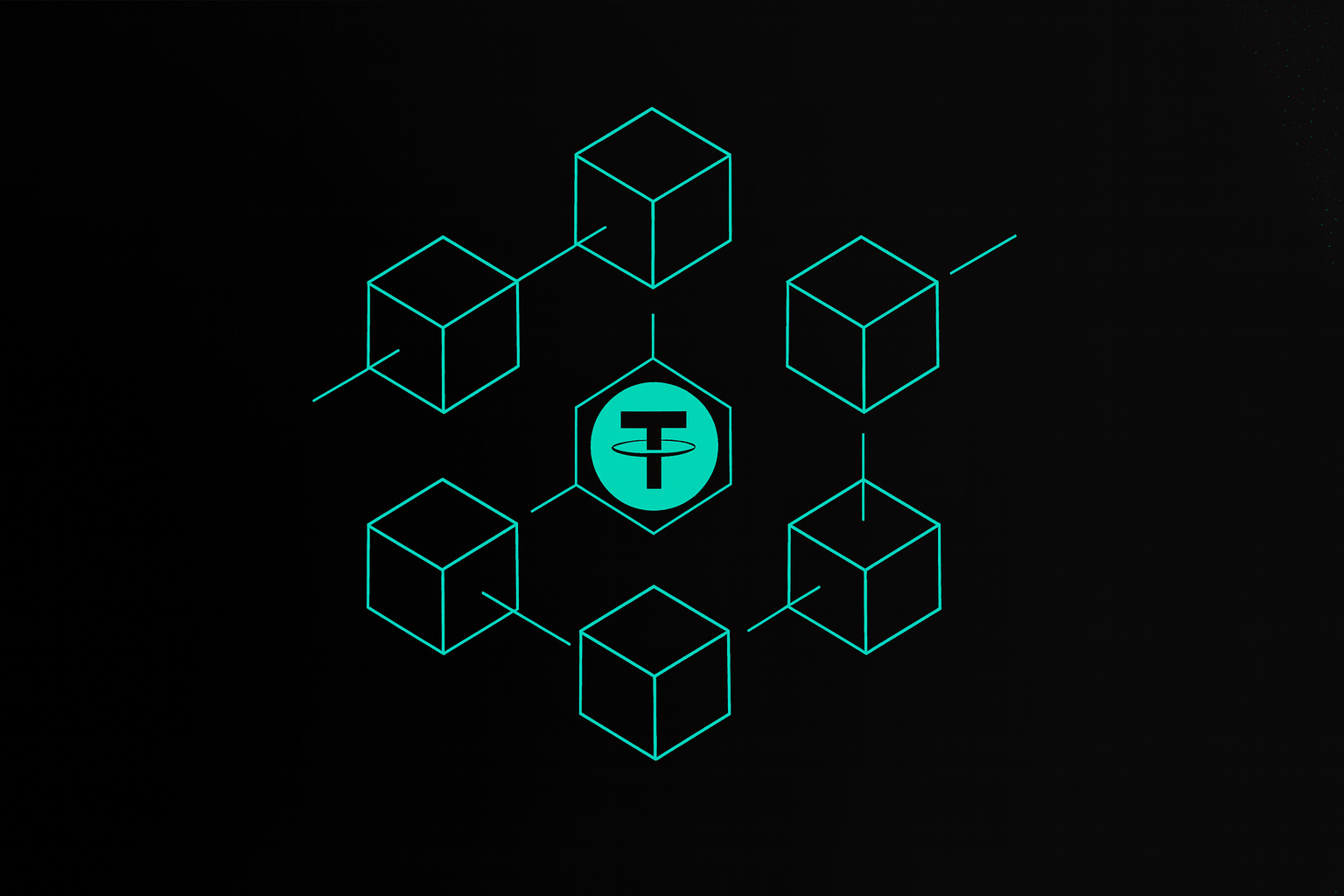
Modular blockchains are flexible and scale-friendly by separating key tasks into different layers. This structure allows the integration of various components and aims to create a secure, efficient blockchain.
How the Modular Framework Works
Layered Framework:
Different layers handle transactions and data accessibility. Each component can be developed and managed independently from the others.
Data Availability Sampling & Large Block Validation:
This technology validates large blocks without downloading them in full, increasing data availability while reducing costs.
The Advantages of Modular Architecture
Flexibility and Scalability:
The modular structure enhances overall system flexibility and supports scalable growth as components can evolve independently.
Reusability:
Modules can be reused across different projects, significantly reducing development time and effort.
Fault Isolation:
A malfunction in one module does not affect the others, improving overall system stability and reliability.
Ease of Maintenance:
Each module can be maintained, updated, or replaced individually, simplifying long-term system upkeep.
The Disadvantages of Modular Architecture
Complexity:
Modularity can increase system complexity and create challenges in communication between modules, making the development process more difficult.
Compatibility Issues:
Version inconsistencies or incompatibilities may arise between modules, potentially causing integration problems.
Projects Using Modular Architecture
Celestia
Function: Modular blockchain protocol
Overview: Celestia guarantees the accessibility of blockchain data. Moreover, it allows developers to start their own blockchain at a low cost. It can process large blocks securely and efficiently with data availability sampling.
Fuel Network
Function: A modular blockchain protocol
Overview: Fuel Network is a protocol that works completely independently from Ethereum. With the Sway programming language, its flexible and scalable structure allows users to create their own chains.
vail
Function: Data accessibility and block validation
Summary: Avail provides a strong data availability layer, and by using erasure coding for block verification it succeeds at doing so at low cost. It is able to operate across multiple execution environments.
Polkadot
Function: Platform for integrating multiple blockchains
Overview: Polkadot enables different blockchains to interact with one another, supporting the transfer of data and assets across chains. Its modular structure allows blockchains to work together seamlessly.
Dymension
Function: Modular blockchain structures and customizable rollup solutions
Overview: Dymension delivers a modular framework for customizing and scaling blockchains. Through its Rollup solutions, it aims to create high-performance, secure blockchain applications. It provides users with customizable blockchains and increases scalability and security.
Conclusion
Monolithic blockchains offer simplicity and strong security but lack scalability and flexibility. Modular blockchains, on the other hand, provide greater flexibility and scalability, yet they introduce complexity and may cause compatibility issues.
This article highlights how choosing the right architectural model monolithic or modular depends on the specific needs and goals of a blockchain project.
Disclaimer
The information in this article is provided for educational and informational purposes only. It is not meant to be financial, investment or technical advice, the more so not a legal advice. Descriptions and references to monolithic or modular blockchain architectures, Celestia, Fuel Network, Avail, Polkadot, and Dymension’s technology are compiled on the basis of open data publicly available to the public for knowledge only and do not represent advocacy or recommendations.
Block systems advance fast, and performances of architectural design, as well as ecological progress may shift. Readers should do their own research (DYOR) and consult professional digital currency and block chain experts before making any decisions about block chain design, implementation, or cryptocurrency investment.
The authors and publishers are not responsible for any losses, failures in technology, misinterpretations, or negative consequences arising from using or depending on the information herein. All comparisons of architecture are vague and not necessarily always the same in every project or use case.